
A commercial toilet that runs constantly, leaves damp patches around its base, or flushes weakly can disrupt customers and employees fast. Slow drains may mean a worn fixture, but they can also point to a blockage farther down the branch line. Our plumbers can assess the toilet, tank, supply line, and drain connection before water damage spreads into flooring or walls. A restroom closed by an overflowing toilet is more than an inconvenience.
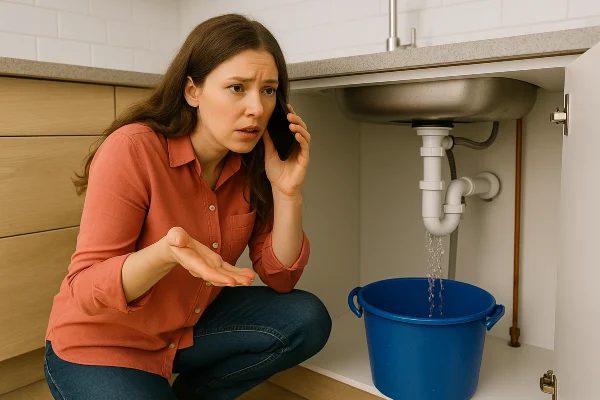
A single toilet with a minor handle problem may wait until a quieter service window if the shut-off valve works and no water is leaking. Call promptly if water is pooling at the base, sewage backs up, the toilet will not stop running, or several fixtures have slow drains. Banging pipes after flushing and discoloured water also deserve investigation, because pressure changes or corroded valves can affect more than one restroom fixture.
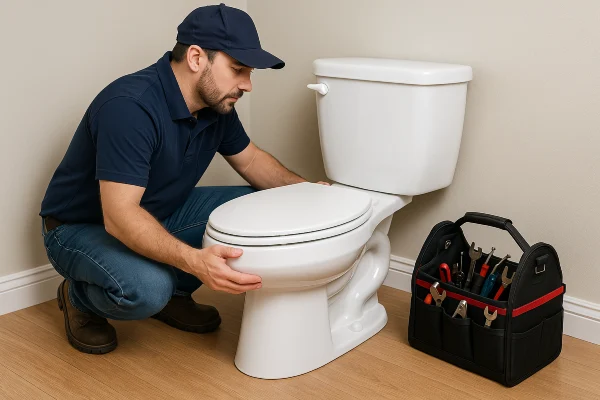
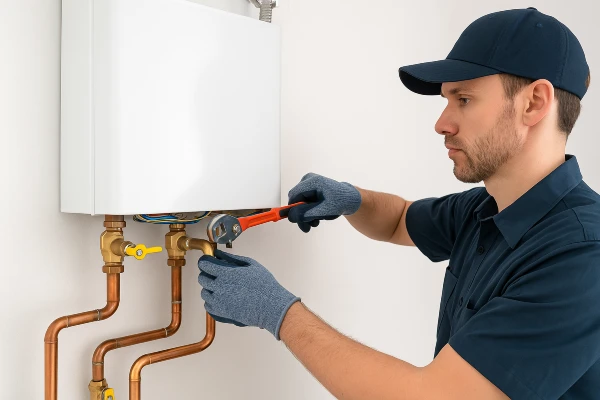
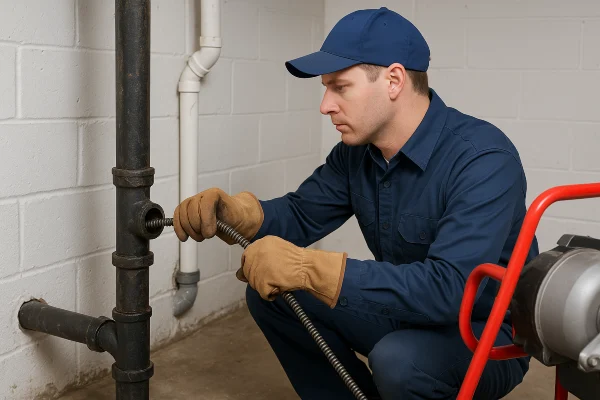
The job begins by checking the toilet tank, flush valve, shut-off, supply line, and floor connection. The water supply is isolated so the restroom does not flood during removal. If the toilet has backed up or drains slowly, a camera inspection through a cleanout may be used to look for roots, broken pipe, or a lodged object. Hydro jetting may be recommended when buildup in the drain line is preventing a new fixture from draining properly; contact the plumber with details about recurring clogs.
After the old fixture is removed, the flange, trap connection, mounting bolts, and floor condition are inspected. The new toilet is re-seated with the correct seal, leveled, and secured without cracking the porcelain. A new supply line or shut-off valve may be installed if the existing parts are corroded or difficult to operate. The technician then fills the tank, tests the flush valve, checks for leaks, and pressure tests the supply connection before reopening the restroom.
A toilet replacement in a newer retail suite is often different from work in an older school, restaurant, or warehouse. Cast-iron drain pipe, a corroded flange, tile flooring, narrow restroom access, and multiple stalls can add work after the fixture is lifted. A basic repair might replace a fill valve and buy roughly two years of use, while a new commercial-grade toilet and updated shut-off can serve the space far longer when the porcelain or internal tank parts are repeatedly failing.
What appears to be a toilet issue can change once a camera shows scale, grease, or a collapsed section beyond the trap. In that situation, Sewer Line Repair may be more important than installing another fixture that will continue to back up. Materials also matter: brass shut-offs generally tolerate repeated use better than lightweight plastic components. Winter cold can expose weak supply lines, while busy summer periods may make after-hours access and restroom downtime more important considerations.
Ask the contractor what caused the failure and whether the diagnosis includes the flange, drain line, shut-off valve, and supply connection—not only the visible toilet tank. For a Lubbock, TX property, ask if the existing fixture is appropriate for the restroom's traffic level and if replacement parts will remain accessible. A clear explanation should distinguish a failing fill valve from a cracked bowl, damaged wax seal, or drain obstruction, since each problem calls for different work.
A proper written estimate should identify the toilet model or fixture type, removal of the old porcelain, new mounting hardware, supply line, shut-off components, and any possible drain cleaning or floor repair. Ask what happens if the flange is rusted, the cleanout is inaccessible, or camera inspection reveals pipe damage after work starts. Before removal begins, a good contractor explains water shutoff timing, restroom closure, testing steps, and which conditions could change the scope.
EMERGENCY PLUMBER LUBBOCK
3903 98th St, Lubbock, TX 79423
(806) 758-4591
help@emergencyplumberlubbock.com
Hours of Operation
Open 24 Hours